10 Effective Home Remedies to Stop Dog Eating Poop
You can stop your dog from eating poop by cleaning up feces immediately and feeding high-quality, nutrient-dense food to reduce deficiencies. This helps address one of the common reasons dogs eat poop—nutritional gaps.
Adding fiber-rich foods like pumpkin or green beans can improve digestion and make your dog feel fuller.
You might also want to try natural taste deterrents, such as pineapple or diluted citrus juice, to make poop less appealing.
Keep your dog engaged with toys and training commands like “leave it” to distract them from the habit.
And remember, always check with your vet before using supplements or deterrents.
There’s more you can do to address this behavior for good, so don’t lose hope!
Key Takeaways
- Clean up feces immediately and restrict outdoor access to prevent opportunities for poop eating. This helps stop the habit before it even starts.
- Use natural taste deterrents like pineapple, citrus juice, or black pepper cautiously on fresh stool. Just be sure your dog doesn’t have any reactions to these.
- Provide environmental enrichment with puzzle feeders and chew toys to reduce boredom-driven coprophagia. Keeping your dog busy can really make a difference.
- Improve diet quality with nutrient-dense food and fiber-rich supplements like canned pumpkin. A better diet can reduce the urge to eat poop.
- Train commands like “leave it” and reward good behavior to redirect and discourage feces consumption. Positive reinforcement works wonders here.
Why Dogs Eat Poop: Understanding the Behavior
Although it might seem gross to you, dogs eat poop for several reasons, from nutritional gaps and digestive issues to simple curiosity. This behavior, known as coprophagia, often stems from nutritional deficiencies that make dogs seek out undigested nutrients in feces.
Puppies and some female dogs naturally engage in coprophagia as part of their instinctive behavior, especially mother dogs cleaning up after their pups. Beyond health reasons, boredom plays a big role in this habit.
When dogs don’t get enough mental or physical stimulation, they may turn to eating feces as a way to entertain themselves or get your attention. Understanding that this behavior isn’t just “gross” but linked to underlying causes helps you address it more effectively.
Clean Up Feces Immediately to Remove Temptation
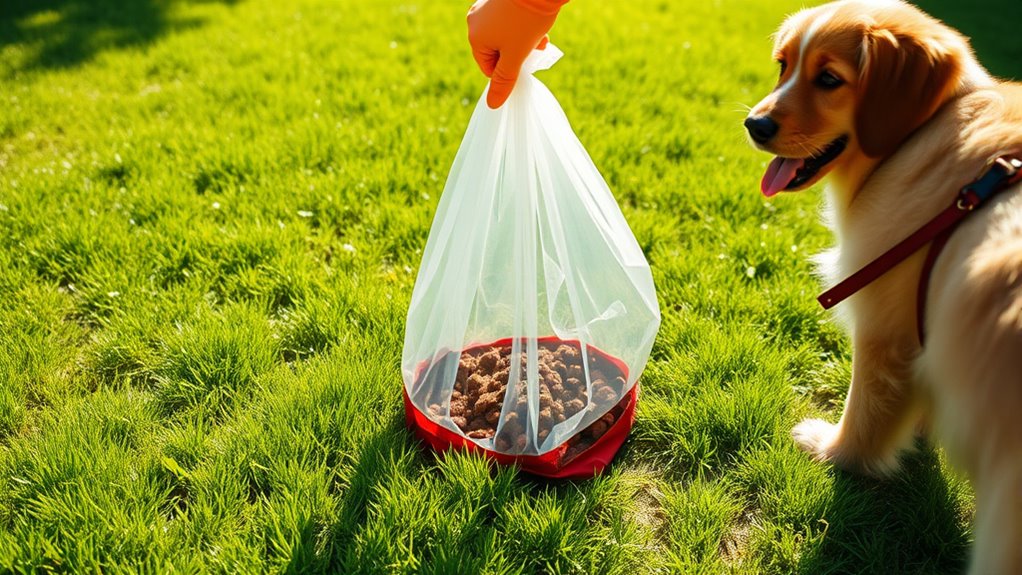
Understanding why dogs eat poop helps you see how managing their environment can reduce this behavior. One of the most effective steps is to clean up feces immediately after your dog eliminates, especially in outdoor areas.
Recognizing why dogs eat poop highlights the importance of timely cleanup to curb this behavior.
By promptly removing feces, you eliminate the temptation that might otherwise encourage your dog to eat stool. This quick cleanup prevents your dog from accessing undigested material that could attract them.
Maintaining a consistent routine of monitoring and cleaning outdoor spaces minimizes opportunities for your dog to develop this habit. When feces aren’t readily available, your dog is less likely to become familiar with or drawn to the scent.
Regular and thorough cleanup keeps your yard free from behavioral triggers tied to coprophagia. By making feces inaccessible, you create a healthier, more appealing environment for your dog, discouraging this unwanted behavior effectively.
Feed High-Quality, Nutrient-Dense Dog Food to Reduce Poop Eating
If your dog’s diet lacks essential nutrients, they may turn to eating feces to fill the gap. Feeding your dog a high-quality, nutrient-dense diet is a vital step in stopping this behavior.
A balanced diet ensures your dog gets everything they need without searching elsewhere.
Here’s how to improve your dog’s diet to reduce poop eating:
- Choose high-quality dog food with easily digestible ingredients to support good digestion.
- Avoid foods with fillers, artificial additives, or low nutritional value that can leave your dog craving nutrients.
- Opt for nutrient-dense formulas that meet all essential nutrient requirements to prevent coprophagia.
- Consult your veterinarian to select the best diet tailored to your dog’s needs and health.
Add Fiber-Rich Foods to Improve Digestion and Stool Quality
You can improve your dog’s digestion and stool quality by adding fiber-rich foods like canned pumpkin, steamed green beans, or ground flaxseed. These natural fibers help firm up stools and make them less appealing to eat.
Start gradually to avoid any digestive upset while boosting your dog’s gut health. It’s a simple way to keep things moving smoothly!
Fiber Benefits For Dogs
While managing your dog’s diet, adding fiber-rich foods like canned pumpkin, sweet potatoes, or green beans can considerably improve digestion and stool quality.
Fiber plays an essential role in maintaining your dog’s digestive health and reducing coprophagia. It’s a simple addition that can make a big difference.
Here’s how fiber benefits your dog:
- Improves stool consistency by increasing bulk, making feces easier to pass.
- Regulates digestion by speeding up intestinal transit and absorbing water.
- Reduces coprophagia by promoting better nutrient absorption and lessening the appeal of stool.
- Supports overall gut health through balanced soluble and insoluble fiber intake.
Adding fiber isn’t complicated, and your pup will thank you for it!
Natural Fiber Sources
Because improving your dog’s digestion and stool quality starts with what they eat, adding natural fiber sources like canned pumpkin, sweet potatoes, green beans, or ground flaxseed can make a noticeable difference. These fiber-rich foods support healthy digestion by regulating bowel movements and enhancing nutrient absorption.
Canned pumpkin, in particular, offers soluble fiber that helps normalize stool consistency, making stools less appealing to your dog. Including these foods in your dog’s diet not only improves gut health but also increases satiety. This means your dog feels fuller, which can reduce their urge to eat poop.
Use Natural Digestive Aids (Pumpkin, Apple Cider Vinegar) to Support Gut Health
If your dog keeps eating poop, adding natural digestive aids like plain canned pumpkin or diluted apple cider vinegar to their meals can help. These remedies support gut health and may reduce coprophagia by improving digestion and nutrient absorption.
Here’s how you can use them effectively:
- Add a spoonful of plain, unspiced pumpkin to your dog’s food to regulate digestion and ease stool issues.
- Mix apple cider vinegar with water (about one teaspoon per 25 pounds of body weight) and add it to your dog’s meals to balance stomach acidity.
- Use these digestive aids consistently to promote a healthy gut environment and discourage poop-eating behavior.
- Always check with your vet before starting these supplements to verify they’re safe and suitable for your dog.
Give Digestive Enzyme Supplements for Better Nutrient Absorption
You can enhance your dog’s protein absorption by giving digestive enzyme supplements that address enzyme deficiencies. These supplements help break down food more effectively, which may reduce their urge to eat poop.
Always consult your veterinarian first to find the right type and dosage for your dog’s needs. It’s important to get the best advice tailored just for your furry friend!
Enhance Protein Absorption
How can digestive enzyme supplements improve your dog’s health and reduce their urge to eat feces? By enhancing protein absorption, these supplements break down nutrients more efficiently, preventing undigested food from ending up in your dog’s stool—a major reason dogs seek out feces.
Here’s how enzyme supplements help:
- Boost protein absorption to ensure your dog gets necessary nutrients.
- Reduce undigested food in the digestive tract, minimizing feces’ appeal.
- Support overall digestion, especially in older dogs with lower enzyme production.
- Promote better nutrient uptake, so your dog isn’t missing essential vitamins and minerals.
Using digestive enzymes like Prozyme can make a real difference. Just remember to consult your vet before starting enzyme supplements to find the right type and dosage for your dog’s needs.
Address Enzyme Deficiencies
Since enzyme deficiencies can hinder proper digestion, giving your dog digestive enzyme supplements can substantially improve nutrient absorption and reduce their urge to eat feces. These supplements, like Prozyme, help break down proteins, fats, and carbohydrates, enhancing overall stool digestion.
When your dog digests food better, less undigested material remains in their stool, making it less appealing to them. This approach is especially helpful for older dogs or those with gastrointestinal issues that cause poor digestion.
By addressing enzyme deficiencies, you support your dog’s digestive health and discourage coprophagia. Remember, while enzyme supplements can be a powerful tool, proper use is vital for effectiveness.
Consult Veterinarian First
Adding digestive enzyme supplements can really help your dog’s digestion and cut down on their urge to eat feces. But it’s super important to talk to your veterinarian before starting any new supplement.
Your vet will help figure out if there are any underlying health issues causing this poop-eating habit. They’ll also recommend the right type of digestive enzyme supplements for your dog.
Here’s why checking in with your vet matters:
- They determine the correct supplement type and dosage for your dog’s needs.
- They check for digestive deficiencies or illnesses that might be behind this behavior.
- They keep an eye on how your dog responds to the supplements to make sure it’s safe.
- They give you guidance on managing this habit in the long run.
Provide Environmental Enrichment and Toys to Distract Your Dog
When you provide your dog with engaging toys and environmental enrichment, you can effectively redirect their attention away from feces. Toys that offer mental stimulation, like puzzle feeders or food-dispensing toys, keep your dog busy and reduce boredom, a common cause of poop eating.
Environmental enrichment taps into your dog’s natural foraging instincts, giving them a healthy outlet for energy. Regularly rotating toys and introducing new activities maintain interest and provide consistent distraction. This strategy helps satisfy your dog’s instinctual needs while preventing unwanted behaviors like coprophagia.
| Toy Type | Purpose |
|---|---|
| Puzzle Feeders | Encourage problem-solving |
| Snuffle Mats | Stimulate natural foraging |
| Food-Dispensing Toys | Provide mental stimulation |
| Chew Toys | Redirect chewing urges |
| Interactive Games | Boost engagement and fun |
Using these toys and enrichment tools consistently will help keep your dog focused on play rather than feces. It’s all about making playtime fun and fulfilling!
Try Taste Deterrents Like Pineapple or Citrus Juice to Discourage Poop Eating
Keeping your dog engaged with toys is a great start, but sometimes you need an extra layer of deterrence. Using taste deterrents like pineapple or citrus juice can effectively discourage poop eating.
Keeping your dog busy with toys helps, but taste deterrents add an effective extra layer to curb poop eating.
These home remedies work by changing the taste and smell of feces, making them less appealing to your dog.
Here’s how you can use these taste deterrents safely and effectively:
- Add small amounts of pineapple to your dog’s diet to introduce natural enzymes that deter stool consumption.
- Dilute citrus juice, such as lemon or lime, before applying it to feces to avoid irritation.
- Use citrus juice to mask the odor of feces, reducing your dog’s interest in eating it.
- Combine these taste deterrents with behavioral strategies for consistent results.
Use Safe Taste Deterrents Like Black Pepper (Consult Vet First)
You can try sprinkling black pepper on your dog’s feces to discourage them from eating it, as the scent can be off-putting. Before you start, check with your vet to make sure it’s safe for your dog’s health.
Keep an eye out for any signs of irritation while using this method. It’s always better to be safe and make sure your furry friend is comfortable with this approach.
Black Pepper Usage
Although prompt cleanup is the best way to prevent your dog from eating feces, you can also sprinkle black pepper on the stool as a safe taste deterrent. Black pepper works as a mild irritant to your dog’s mouth and nose, discouraging the behavior.
Before trying this poop deterrent, always consult your vet to verify it’s safe for your dog. Here’s how to use black pepper effectively as part of your home remedies:
- Sprinkle a small amount of black pepper on fresh feces.
- Observe your dog’s reaction carefully.
- Stop use immediately if any irritation or discomfort occurs.
- Continue prompt cleanup to reinforce the deterrent effect.
Using black pepper can help reduce dog eating feces when combined with consistent hygiene. It’s a simple trick that might just do the job!
Vet Consultation Needed
Using black pepper as a taste deterrent can be effective, but it’s important to check with your veterinarian before trying it. A vet consultation guarantees your dog’s safety, confirms if black pepper suits their health, and helps you apply it correctly.
Your vet can also suggest alternative deterrents if needed. This way, you get a well-rounded behavior plan to stop poop eating efficiently.
| Aspect | Importance | Vet Role |
|---|---|---|
| Safety | Prevents harm | Checks health, allergies |
| Deterrent Choice | Suitable options | Recommends effective options |
| Dosage | Proper application | Guides correct usage |
| Behavior Plan | Long-term success | Designs all-encompassing plan |
| Monitoring | Avoid adverse effects | Tracks progress, adjusts plan |
Always prioritize vet consultation for safe, effective results. It’s the best way to keep your dog healthy and happy!
Practice Positive Reinforcement and Training to Stop Poop Eating
When your dog learns to respond reliably to commands like “leave it” or “no,” you can effectively redirect their attention away from feces and prevent them from eating it. Positive reinforcement and consistent training are key to stopping this behavior.
Teaching your dog commands like “leave it” helps redirect attention and prevent unwanted behaviors.
You’ll want to focus on impulse control and rewarding good choices to make a lasting impact.
Here’s how to practice positive reinforcement and training:
- Use short, frequent sessions to teach commands that redirect your dog away from feces.
- Reward your dog with treats and praise when they ignore poop or come when called near it.
- Incorporate impulse control exercises to reduce boredom and curb curiosity-driven poop eating.
- Reinforce calm behavior during walks, praising your dog when they avoid scooping up stool.
Frequently Asked Questions
What Vitamin Is a Dog Lacking When They Eat Poop?
Your dog is likely lacking vitamin B1, also known as thiamine, when it eats poop. This deficiency can change their behavior and cravings.
How Do You Break the Habit of Dogs Eating Poop?
You break the habit by supervising your dog and promptly cleaning up feces. Teaching your dog the “leave it” command also helps a lot.
Offering toys or treats right after bathroom breaks can redirect their attention. You might want to try taste deterrents too—they can make poop less appealing.
And don’t hesitate to consult your vet for tailored advice. They might suggest supplements if your dog has any nutritional deficiencies.
Does Vinegar Stop Dogs From Eating Poop?
Though they didn’t have it in Shakespeare’s time, vinegar can help stop dogs from eating poop by making it taste unpleasant.
You’ll need to dilute it, watch your dog closely, and check with your vet first.
It’s a simple trick, but it can really make a difference if your dog is a poop eater. Just be patient and consistent!
What Do Vets Recommend for Dogs That Eat Poop?
Vets recommend first ruling out medical issues, then using B-vitamin or enzyme supplements to reduce the urge.
They might suggest taste deterrents and always advise consulting them to create a safe, effective plan for your dog.
Conclusion
Stopping your dog from eating poop is like planting seeds of good habits in a garden of trust. By cleaning up quickly, feeding nutritious meals, and offering tasty distractions, you’re nurturing a healthier, happier pup.
With patience, positive training, and natural deterrents, you’ll watch this unwanted behavior fade away like morning mist. Keep their world enriched and your bond strong.
Soon, you’ll enjoy a cleaner home and a joyful, poop-free companion. Remember, consistent efforts with effective home remedies to stop dog eating poop make all the difference. It’s all about creating a positive environment where your dog feels loved and motivated to leave this habit behind. Stick with it, and you’ll see your furry friend thrive with better habits and a happier life.