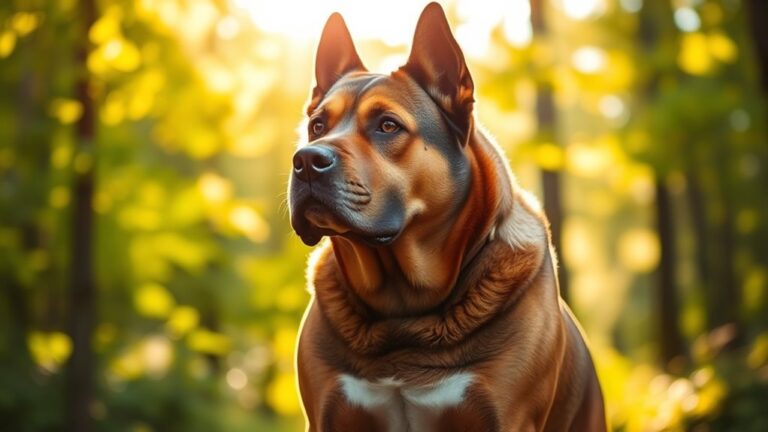
7 Facts About How Fast a Dog Can Run
You might be surprised how fast dogs can run—most sprint between 15-20 mph, far outpacing average humans. Dogs’ speed depends on many factors, including their breed, age, and training. Understanding how fast a dog can run helps us appreciate their athletic abilities and keep them safe during exercise.
Greyhounds top the list, reaching speeds up to 45 mph thanks to their lean bodies and powerful muscles. These dogs are built for speed, with flexible spines and long legs that help them cover ground quickly. It’s pretty amazing to watch them in action!
Dogs rely on fast-twitch muscle fibers for quick bursts but usually lack the endurance of some animals. That means they can sprint fast but might tire out sooner than, say, a horse or a human endurance runner.
Their individual characteristics all influence how fast they go. Keep exploring to uncover what influences their speed and how it affects safety and exercise.
Key Takeaways
- Dogs typically run at speeds between 15-20 mph, which is much faster than the average human.
- Greyhounds are the fastest breed, reaching speeds up to 45 mph.
- Muscle fiber type plays a big role in speed. Fast-twitch fibers help dogs sprint quickly, while slow-twitch fibers support endurance.
- A dog’s age, breed, fitness level, and the surface they’re running on all influence how fast they can go.
- Knowing a dog’s top speed can really help with training, keeping them safe, and managing their exercise better.
Dog Speed Compared to Humans and Other Animals

Although you might think humans are fast runners, dogs generally outpace most people with ease. On average, a dog can run between 15 to 20 mph, while most humans top out around 5 to 8 mph.
Even elite sprinters, reaching speeds up to 28 mph, usually can’t match the speed of the fastest dog breeds. Take the Greyhound, for example—it can hit speeds up to 45 mph, making it one of the fastest land animals when it comes to short bursts.
Dogs excel in acceleration, launching quickly into sprints, though their endurance for maintaining top speed is limited. Compared to animals like the cheetah, which can reach 65 mph but only for a few hundred yards, dogs balance speed and stamina differently.
What Makes Sighthounds the Fastest Dogs

When you watch a sighthound sprint, you’ll notice how its lightweight frame and long legs work together to generate incredible speed. These dogs belong to the fastest dog breeds because their aerodynamic body minimizes air resistance, allowing them to reach top speeds effortlessly.
Their deep chest expands lung capacity, fueling sustained high speed. You’ll also see muscle definition that supports powerful propulsion, especially in the hindlegs.
Here’s what makes sighthounds so fast:
- Lightweight build reduces drag and boosts agility.
- Long legs increase stride length for rapid ground coverage.
- Aerodynamic body and head posture cut through the air cleanly.
- Deep chest enhances breathing, supplying oxygen during intense runs.
Combined, these traits let sighthounds sprint at over 40 mph, making them the ultimate athletes of the canine world. You can’t help but admire how evolution crafted these dogs for speed and endurance.
Top 7 Fastest Dog Breeds and Their Speeds

Sighthounds showcase incredible speed thanks to their unique physical traits, but not all fast dogs belong to this group. Take the Greyhound, for example—the fastest dog breed, reaching top speeds of up to 45 mph. Its aerodynamic build and powerful legs make it a master of short bursts during running.
Other hunting dogs like the Saluki also impress, combining speed with remarkable endurance, maintaining around 42 mph over long distances. Afghan Hounds and Vizslas hit speeds over 40 mph, showcasing both agility and power.
The Ibizan Hound matches this pace and can leap six feet from a standstill while running. Even the large Irish Wolfhound surprises with sprints around 40 mph, though it excels only in short bursts. These breeds demonstrate how varying combinations of speed, endurance, and physical design shape the fastest dogs you could ever watch in action.
Muscle Fiber’s Role in Dog Speed and Endurance
Because muscle fiber composition directly influences a dog’s speed and endurance, understanding this aspect is key to appreciating how certain breeds excel in sprinting while others thrive in long-distance activity.
When you look at muscle fiber ratio, the balance between fast-twitch muscle fibers and slow-twitch fibers defines a dog’s capabilities. Fast-twitch fibers provide muscle strength and quick contractions essential for high-speed running and sprinting speed. In contrast, slow-twitch fibers support endurance and stamina for prolonged activity.
Here’s a quick breakdown of breed differences in muscle fiber composition:
- Dogs with more fast-twitch fibers excel in explosive, high-speed running but have limited endurance.
- Greyhounds top the list with the highest percentage of fast-twitch fibers, enabling elite sprinting speed.
- Breeds like Dachshunds have a higher slow-twitch fiber ratio, favoring stamina and long-distance endurance.
- The trade-off in muscle fiber composition means speed often comes at the expense of endurance.
Knowing this helps you understand why muscle fiber composition is crucial for your dog’s running style.
Key Factors Influencing Your Dog’s Running Speed
Understanding muscle fiber composition gives you a solid foundation for why some dogs run faster or longer than others, but it’s not the whole story. Your dog’s breed plays a huge role, as sprinting breeds like Greyhounds have physical traits optimized for speed, including long legs and a lean body build.
Along with muscle composition, these features give them an edge in quick bursts. Age and fitness level matter too—dogs typically hit their speed peak between 2 and 5 years old and slow down after 7.
Surface conditions also influence how fast your dog can run; soft or uneven ground can slow them, while firm surfaces help maximize their speed. Don’t overlook health and natural instincts either.
Some breeds have endurance instincts, while others are built for quick sprints. By considering your dog’s breed, leg length, body build, health, and environment, you get a clearer picture of what drives their running speed.
How Long Can Dogs Sustain Their Top Speed?
You’ll notice most dogs can only sprint at their top speed for about 20 to 30 seconds before tiring.
Some endurance breeds, like Siberian Huskies, trade speed for longer-lasting stamina.
Understanding this balance helps you appreciate how different dogs manage their bursts of speed.
Sprint Duration Limits
Although dogs can reach impressive top speeds, they usually can’t maintain that pace for long. Their sprint duration at top speed is limited by factors like muscle fatigue and energy depletion.
You’ll notice their running capacity hits a speed limit quickly due to stamina constraints.
Consider these points:
- Most dogs sustain top speed for only 20 to 30 seconds before fatigue sets in.
- Greyhounds, known for speed, cover roughly 200-300 yards before their sprint duration ends.
- Endurance breeds like Siberian Huskies excel in stamina but can’t hold maximum speed for long.
- A dog’s muscle composition and cardiovascular fitness directly impact how long they can sprint.
Understanding these limits helps you appreciate the balance between speed and energy conservation in dogs.
Endurance Versus Speed
While dogs can sprint impressively fast, they rarely sustain their top speed for more than 20 to 30 seconds before tiring. Their maximum speed is fueled by rapid acceleration but limited by muscle endurance and cardiovascular capacity.
Endurance breeds like Siberian Huskies excel in sustained running, maintaining moderate speeds over miles due to superior fitness and fatigue resistance. So, your dog’s athletic performance depends on balancing sprinting bursts with endurance for longer activity.
| Factor | Impact on Speed and Endurance |
|---|---|
| Maximum Speed | High but short-lived |
| Muscle Endurance | Limits sprint duration |
| Cardiovascular Capacity | Supports sustained running |
| Fatigue | Occurs quickly during sprints |
| Athletic Performance | Depends on fitness and training |
Why Understanding Dog Speed Matters for Training and Safety
You need to understand your dog’s speed to keep recall training safe and effective. Managing exercise based on their running ability helps control energy and prevent overexertion.
This knowledge also supports better behavior management and keeps your dog healthy. It’s all about knowing what your furry friend can handle so you both enjoy training and playtime without any issues.
Impact On Recall Safety
Because dogs can reach impressive speeds—Greyhounds topping 45 mph, for example—it’s super important to understand how fast your dog can run for recall safety. Knowing your dog’s top speed helps you anticipate those high-speed escapes and improve off-leash control.
Effective dog training focuses on immediate recall, making sure your dog responds quickly when they bolt. Setting clear safety boundaries based on running speed also helps prevent accidents.
Here’s what you need to keep in mind:
- Fast dogs need faster recall commands to regain control quickly.
- Most dogs sprint full speed only for a short time, so timing your response is key.
- Understanding top speed helps you set realistic off-leash safety boundaries.
- Proper training cuts down risks during sudden escapes and boosts overall recall safety.
Exercise Needs Management
Although many dog owners focus on playtime and walks, understanding your dog’s top running speed can transform how you manage their exercise needs. Knowing breed-specific speed helps you create training routines tailored to your dog’s physical capabilities, reducing injury risk and supporting overexertion prevention.
Exercise monitoring lets you track fitness levels and spot health indicators early, ensuring your dog stays in peak condition. It’s a great way to catch potential problems before they become serious.
Effective exercise management also aids in energy management, preventing problem behaviors caused by excess energy. Plus, understanding speed reinforces the importance of recall safety during high-energy activities.
Behavior And Energy Control
When you understand your dog’s top speed, you can better control their behavior and energy during training and play. Knowing your dog’s speed helps tailor training routines to match their energy levels, especially for high-speed breeds.
This awareness supports behavioral stability and injury prevention by matching exercise needs with physical capability. Here’s how understanding dog speed benefits you:
- Anticipate and manage high-energy dogs’ impulsive behaviors like door bolting or excessive barking.
- Design exercise routines that prevent boredom and destructive habits.
- Improve obedience and recall by training under realistic, high-speed conditions.
- Reduce injury risks by avoiding overexertion during play or off-leash activities.
Frequently Asked Questions
How Fast Could a Dog Run?
A dog can run anywhere between 15 and 45 mph, depending on its breed and fitness. You’ll see Greyhounds sprint faster, while smaller dogs like Jack Russells hit quick bursts around 30 mph.
It really comes down to their size and energy levels. So, some pups might surprise you with how fast they can go!
What Is the 7 7 7 Rule for Dogs?
The 7-7-7 rule means you shouldn’t exercise your puppy more than 7 minutes per hour for each month of age, up to 7 months old.
It helps protect their joints and promotes healthy growth as they mature.
So, if your puppy is 3 months old, aim for no more than 21 minutes of exercise per hour.
This way, you’re making sure they get enough playtime without overdoing it.
Can a Dog Run 70 Mph?
No, your dog can’t run 70 mph. Even the fastest breeds, like Greyhounds, max out around 45 mph.
That speed is beyond any dog’s natural ability, so don’t expect them to ever hit 70 mph.
How Can Dogs Run so Fast?
Imagine you’re a sleek racing car, built to zoom effortlessly. Dogs run so fast because their bodies spring like engines, muscles firing rapidly.
Their legs stretch far, and their streamlined shape cuts through air with precision and power. It’s like they’re built to race!
Conclusion
So, next time you’re outpaced by your dog, don’t feel bad—it’s just science showing who’s boss. While you’re huffing and puffing, your furry friend’s built for speed, endurance, and maybe a bit of showing off.
Understanding their sprinting secrets isn’t just trivia; it’s your ticket to smarter training and fewer “why did my dog bolt?” moments. Embrace the fact: in the race of life, your dog’s got a head start—and a better playlist.
Knowing how fast a dog can run helps you connect with your pet on a whole new level. It’s not just about catching them; it’s about appreciating their natural athleticism and energy. So next time your dog races ahead, remember—it’s all about their incredible speed and endurance. Use that knowledge to keep up, train better, and enjoy every fast-paced adventure together.