
Why Is My Dog So Gassy?
Your dog’s gas is often caused by diet changes or foods that disrupt digestion, like dairy, high-fiber items, or sulfur-rich veggies. These foods can upset your dog’s tummy and lead to uncomfortable gas.
Table scraps and unfamiliar ingredients? Yeah, they can also be a culprit.
Sometimes, excessive flatulence might be a sign of underlying health issues like digestive disorders or parasites. This is especially true if your dog shows other symptoms like vomiting or weight loss.
Keeping your dog’s diet consistent and avoiding gas-inducing foods really helps.
If the problem sticks around, understanding what’s causing the gas can guide you toward the right solution. It’s all about knowing what to watch for and how to keep your furry friend feeling great.
Key Takeaways
- Dietary changes or foods high in sulfur, dairy, or fermentable carbs commonly cause excessive gas in dogs.
- Feeding table scraps or unfamiliar ingredients can disrupt digestion and increase flatulence.
- Medical conditions like inflammatory bowel disease, pancreatic insufficiency, or parasites may cause persistent gas.
- Frequent gas accompanied by vomiting, diarrhea, or weight loss requires veterinary evaluation.
- Maintaining a consistent diet and avoiding gas-inducing foods helps reduce excessive flatulence.
Dietary Causes of Dog Gas (Foods That Trigger Flatulence)
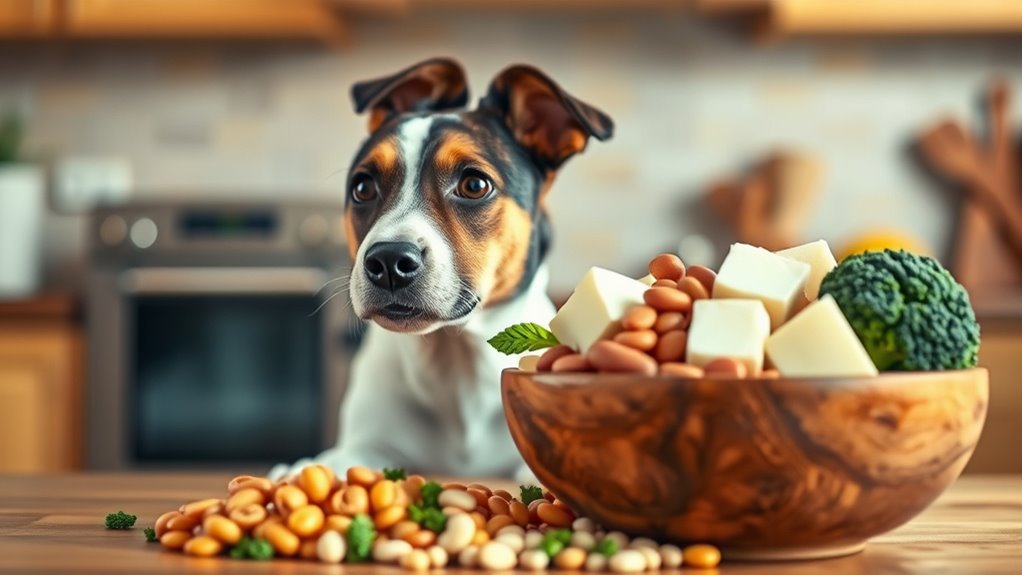
When you change your dog’s diet or introduce certain foods, you might notice an increase in gas. This often happens because dietary changes can disrupt the balance of gut bacteria that help digest food.
Foods high in sulfur, like eggs, broccoli, and Brussels sprouts, lead to foul-smelling gas due to increased bacterial fermentation.
If your dog has lactose intolerance, dairy products such as milk and cheese can cause gas since they lack the enzyme needed to break down lactose.
High-fiber foods, including beans and some grains, contain fermentable carbohydrates that gut bacteria break down, producing more gas.
Fatty foods and greasy treats slow digestion, promoting gas buildup and discomfort.
Feeding table scraps introduces unfamiliar ingredients that may trigger food sensitivities and further gas problems.
Keeping your dog’s diet consistent and avoiding these gas-inducing foods helps maintain digestive balance and reduces excessive flatulence.
Medical Causes of Excessive Dog Gas (When to See a Vet)
Although occasional gas is normal, persistent or severe flatulence combined with symptoms like vomiting, diarrhea, or weight loss means you should see a vet promptly. Excessive gas can signal underlying medical conditions that need a professional diagnosis.
Common causes include inflammatory bowel disease, pancreatic insufficiency, and parasitic infections. If your dog frequently passes gas alongside discomfort or other symptoms, veterinary evaluation is essential.
Here are key signs to watch for:
- Frequent flatulence accompanied by stomach gurgling or bloating.
- Changes in appetite or unexplained weight loss.
- Recurrent diarrhea or vomiting.
These symptoms may indicate digestive disorders requiring diagnostics such as fecal tests, blood work, or dietary elimination trials. Early veterinary evaluation helps identify and treat the root cause, improving your dog’s health and comfort.
Don’t ignore excessive gas paired with troubling symptoms—timely professional diagnosis is vital. It’s always better to be safe and get your furry friend checked out sooner rather than later!
Frequently Asked Questions
Should I Be Worried if My Dog Is Gassy?
You shouldn’t worry if your dog’s gas is occasional and mild.
But if it’s persistent, foul-smelling, or comes with vomiting or diarrhea, you should definitely take your dog to the vet for a proper check-up.
What Can You Give a Dog for Gas?
You can calm a canine’s cramping by carefully choosing probiotics, pumpkin, or psyllium for fiber. Activated charcoal and simethicone supplements also soothe.
Always ask your vet before administering any aid to assure safety and success. It’s better to be safe and get professional advice first!
How Often Is Too Often for a Dog to Fart?
If your dog farts more than 20 times a day or several times each hour, that’s too often.
You should watch for other symptoms and consider consulting your vet to rule out health issues or diet problems.
Why Does My Dog Fart a Lot and It Smells Bad?
Your dog’s gas smells like a sulfur storm because certain foods or gut imbalances stir up foul-smelling bacteria.
You’ll want to check their diet and health to calm the storm and clear the air.
Sometimes, a simple change in what they eat can make a big difference.
And if the problem sticks around, it might be time to visit the vet to see what’s going on inside.
Conclusion
You might think your dog’s gassiness is just a harmless quirk, but it can signal something more serious. While certain foods easily trigger those uncomfortable bubbles, persistent or severe gas could mean medical issues needing a vet’s attention.
Don’t overlook the difference—what feels like a minor annoyance might be your pup’s way of telling you something’s wrong. Paying close attention ensures you keep your furry friend happy and healthy.
Understanding why your dog is so gassy is important. It could be diet-related or a sign of underlying health problems. If your dog’s gas is frequent or smells particularly bad, it’s a good idea to consult your vet. Taking action early helps manage your dog’s digestive health and keeps those gassy episodes under control. Remember, your dog’s comfort and well-being depend on you noticing these signs and responding promptly.