

What Causes My Dog’s Fast Breathing?
If your dog’s breathing speeds up, it could be a sign of several things, including respiratory or heart problems like pneumonia, bronchitis, or congestive heart failure. Fast breathing in dogs can also happen because of stress, pain, heat, or even being at a high altitude.
It’s important to pay close attention to your dog’s behavior and look for warning signs. For example, if you notice blue gums or your dog having trouble lying down, these could indicate something more serious is going on.
Understanding what’s causing your dog’s fast breathing helps you know when it’s time to get medical help. Keep reading for more important info to keep your furry friend safe and comfortable.
Key Takeaways
- Fast breathing in dogs can result from respiratory conditions like pneumonia, bronchitis, or airway obstructions.
- Heart diseases, such as congestive heart failure, cause fluid buildup, increasing the breathing rate.
- Pain, stress, heat, humidity, and physical exertion naturally elevate a dog’s respiratory rate. It’s pretty normal for dogs to breathe faster when they’re hot or after they’ve been playing hard.
- Serious signs include fast breathing at rest, pale or blue gums, coughing, fainting, and difficulty lying down. If you notice any of these, it’s a good idea to get your dog checked out.
- Persistent or worsening fast breathing requires prompt veterinary evaluation to diagnose and treat underlying causes. Don’t wait too long — your vet can help figure out what’s going on and how to help.
What Causes Fast Breathing in Dogs?
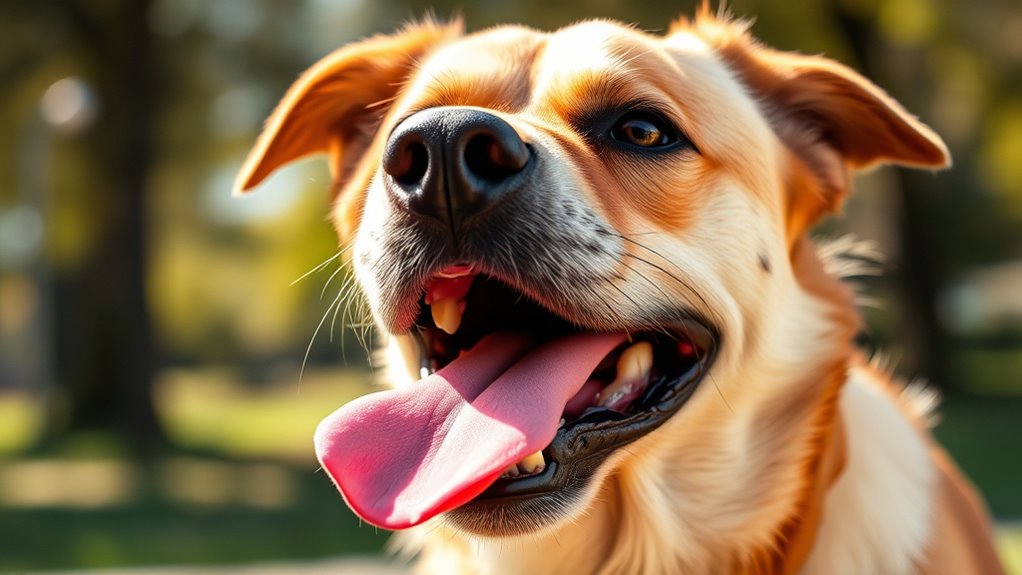
Why is your dog breathing so fast? Fast breathing in dogs can stem from several causes. Respiratory conditions like pneumonia, bronchitis, or airway obstructions often lead to labored breathing.
Heart disease, including congestive heart failure, may cause rapid breathing due to fluid buildup in the lungs. Pain and stress also trigger increased respiratory rates as part of your dog’s natural response to discomfort or anxiety.
Environmental factors such as heat, humidity, or high altitude can temporarily speed up your dog’s breathing as well. Additionally, underlying medical issues like lung tumors, lung infections, or internal injuries can result in fast, labored breathing.
Recognizing these causes helps you understand why your dog might be struggling to breathe normally. While some causes are temporary and less concerning, others require prompt attention to prevent serious health problems.
Staying aware of these factors ensures you can respond appropriately if your dog’s fast breathing persists or worsens.
When Should You Worry About Fast Breathing?

Fast breathing can sometimes be a normal response to activity or excitement, but you should pay close attention when it happens at rest or during sleep. Persistent fast breathing in these situations is abnormal and may signal serious health issues that need urgent veterinary care.
You should worry if your dog’s breathing rate exceeds 35 breaths per minute at rest or if you notice signs like blue or pale gums, weakness, or difficulty lying down comfortably. These signs often indicate respiratory distress and require immediate assessment.
Fast breathing accompanied by coughing, fainting, or changes in gum color should be treated as an emergency. Even heavy panting without recent exercise or heat exposure is a red flag.
Don’t hesitate to seek veterinary care promptly if you observe any of these symptoms. Early assessment can be critical in managing underlying health issues and preventing complications.
Frequently Asked Questions
When to Worry About a Dog Breathing Fast?
You should worry if your dog breathes fast while resting, shows blue or pale gums, or seems weak.
If breathing exceeds 35 breaths per minute or shows distress signs, get veterinary help immediately to prevent serious issues.
How to Calm Down a Dog Breathing Fast?
You can calm your dog by speaking softly, petting gently, and moving to a quiet, cool spot.
Encourage slow breaths, offer water, and stay patient. Avoid sudden moves or loud noises to help reduce their fast breathing.
What Are the First Signs of Heart Failure in Dogs?
You’ll notice signs like a cough louder than a thunderstorm, tiredness, reluctance to play.
Rapid breathing even at rest, fainting, swollen belly, and pale or bluish gums—these warn you heart failure might be starting in your dog.
Conclusion
Fast breathing in your dog can be caused by many things, from excitement to serious health issues. You might think it’s just a phase, but what if it’s signaling something more urgent?
Don’t ignore the signs—your dog’s rapid breaths could be a cry for help. Pay close attention and trust your instincts. When in doubt, seek veterinary advice immediately.
Rapid breathing in dogs might indicate anything from stress and pain to underlying medical conditions like heart or respiratory problems. It’s important to monitor your dog closely and note any other symptoms. Your dog’s health might depend on what you do next, so don’t hesitate to get professional help if you notice persistent fast breathing or unusual behavior. Taking quick action can make all the difference in keeping your furry friend safe and healthy.






2 Comments